We use cookies to ensure a better browsing experience. By continuing on our site, you agree to our: privacy policy.

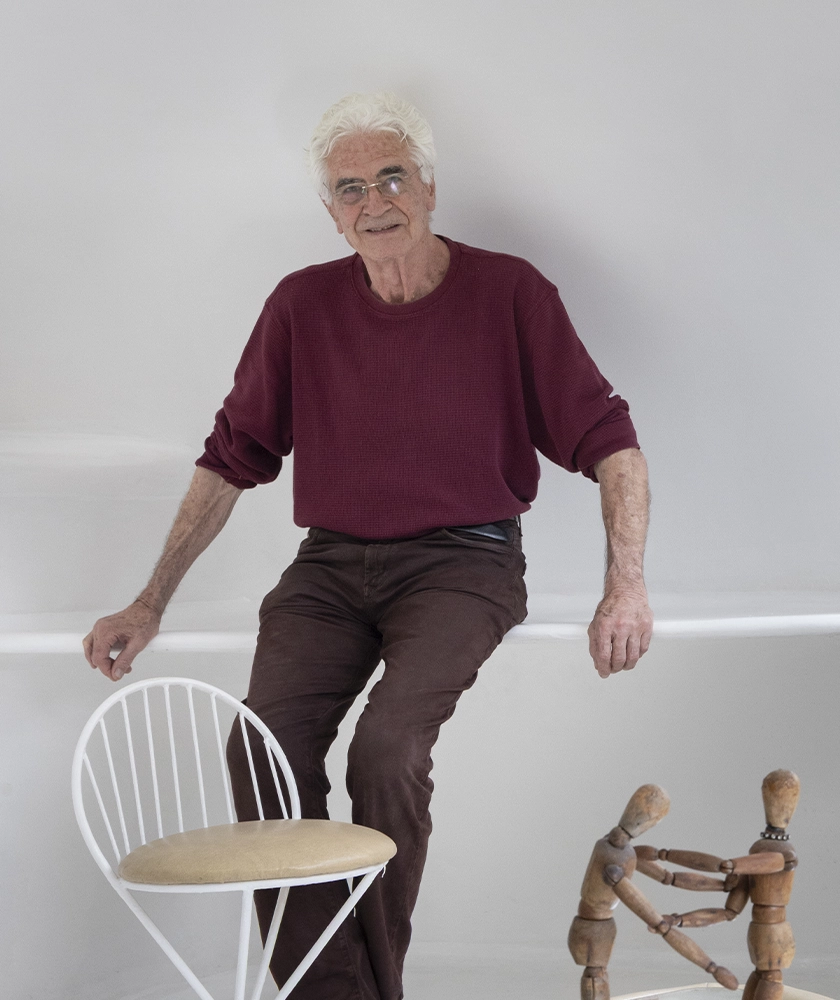
Eduardo Longo

1942

Brazil

Eduardo Longo (São Paulo, June 26, 1942) is a Brazilian architect whose career is distinguished by formal investigation and a rejection of dominant stylistic frameworks. He graduated in 1966 from the Faculty of Architecture and Urbanism at Mackenzie Presbyterian University and developed his practice in a context marked by the consolidation of the Paulista School, although his work followed an autonomous path guided by spatial experimentation.

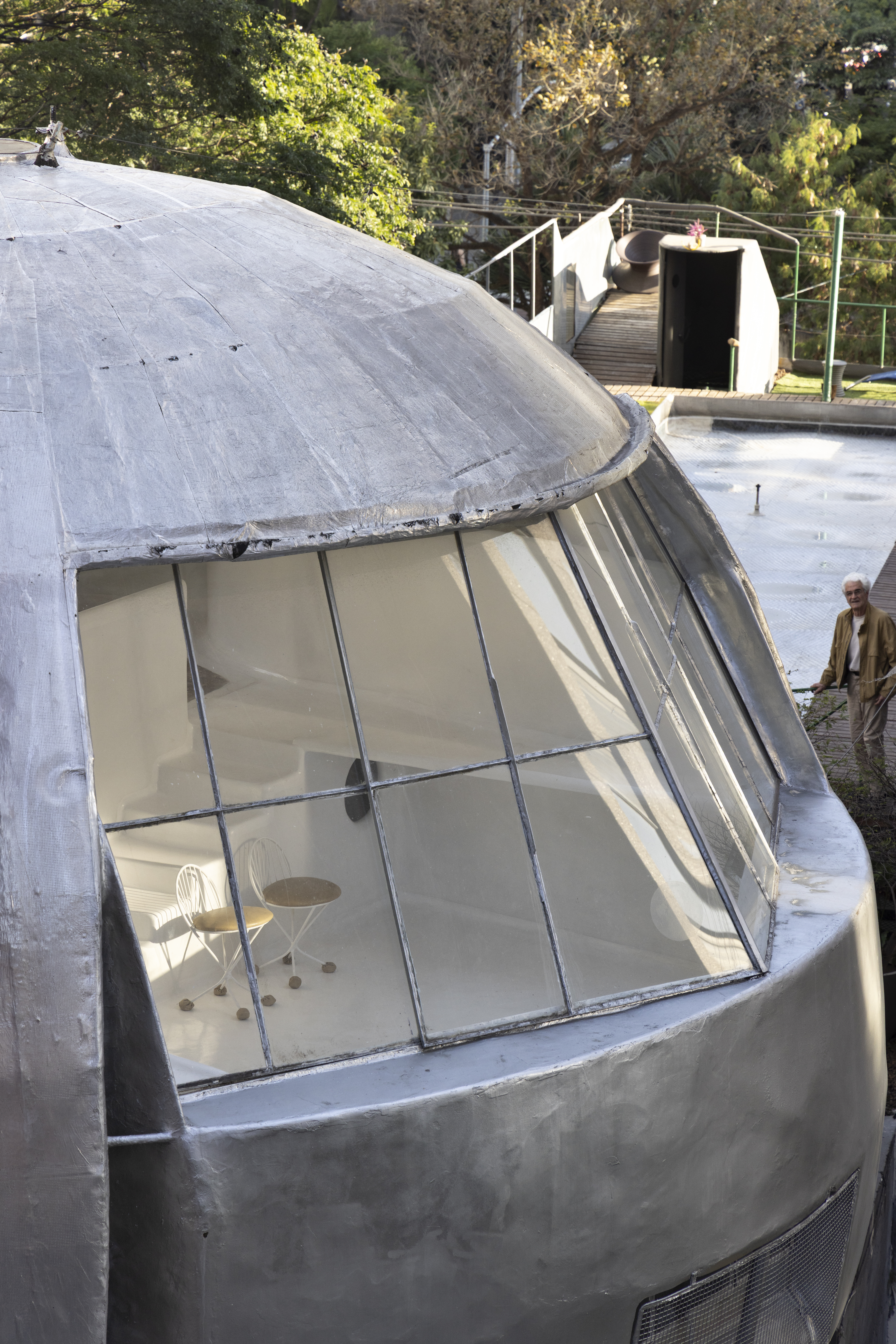
While still a student, he designed the Casa Mar Casado (1964), in Guarujá, a project that challenged Brutalist orthodoxy by adopting unconventional formal solutions—recognized at the time by critic Pietro Maria Bardi. Over the course of his career, he completed 119 projects, mostly residential. Among them, the Casa Bola stands out as a synthesis of years of technical and conceptual research into the spherical form and its structural and spatial developments.

By breaking with central paradigms of the Modern Movement, his work occupies a singular position in 20th-century Brazilian architecture.

“I would like to be able to practice architecture without knowing whether it is truth or fiction.”

EDUARDO LONGO

More than a formal exercise, Casa Bola is configured as the materialization of an architectural hypothesis: a built utopia whose conceptual strength exceeds its physical dimension.

It is within this horizon that the Cadeirinha emerges—a lightweight piece, with refined lines and light tones, conceived in harmony with the scale and spatial demands of the house. Guided by the same principles of functionality and synthesis that structure the architecture, the chair responds to the requirements of a compact space, prioritizing practicality, constructive clarity, and dimensional suitability.
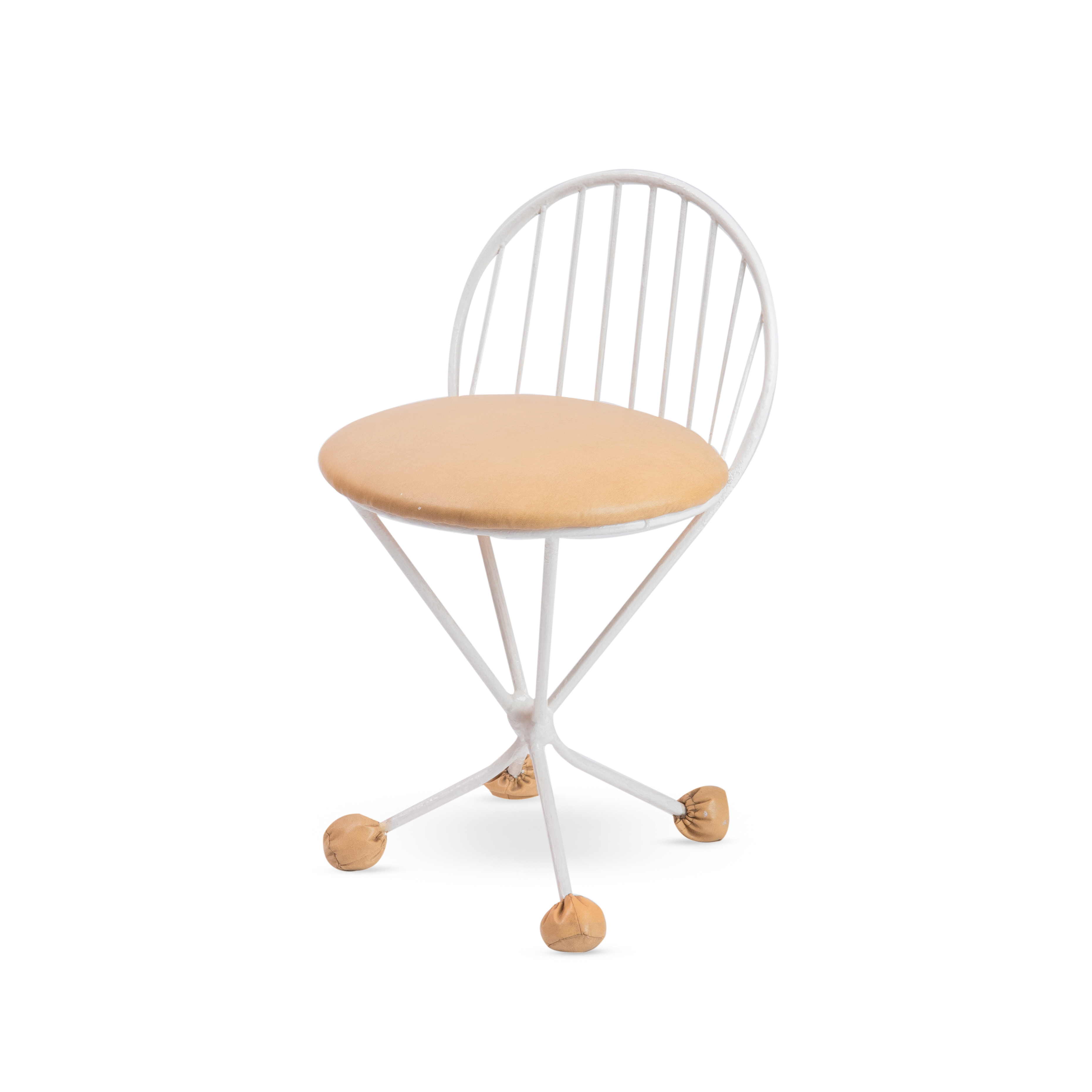
Cadeirinha

Eduardo Longo

Cadeirinha

Responsive

Domingos Totora

Responsive

Roberto Micoli

Responsive

Ines Schertel